The Internet of Everything: How is IoT reshaping our lives
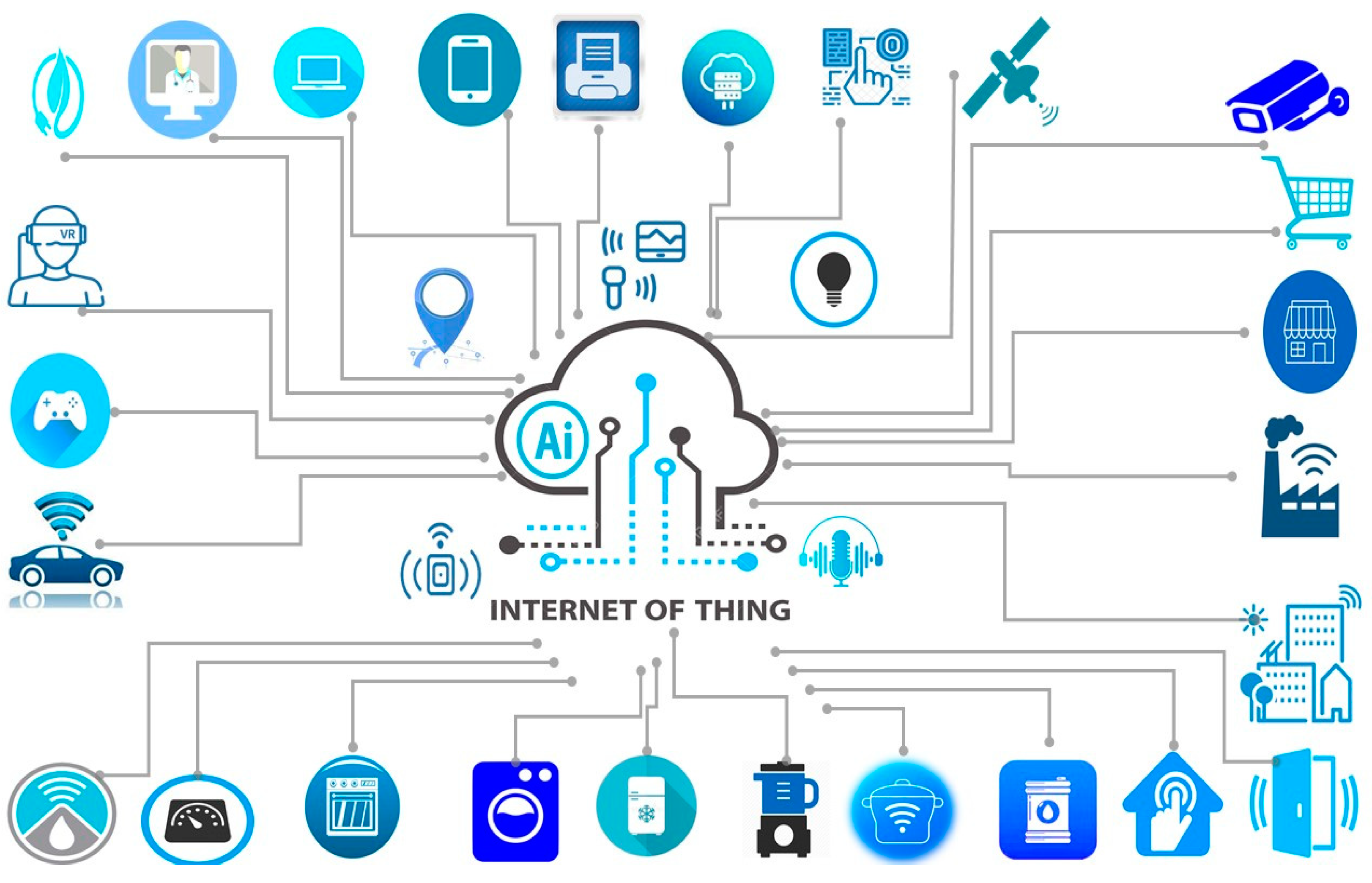
We are now living in the future, the Internet of Things (IoT) is no longer a distant concept but a crucial part of our everyday lives. From voice assistants like Siri and Alexa that control our homes, to fitness trackers which monitor our health. IoT has become an essential within our lives but whether it’s actually beneficial for our society depends on how we use it. Over the next few years billions of devices are set to be connected and whilst IoT in theory can improve health, efficiency and transform industries, it also raises serious questions over surveillance and data misuse. In this blog I’ll explore the upsides and downsides of how IoT is shaping our future.
What is IoT?
You might be wondering what is the Internet of Things?, if you don’t even know what it is then it must not affect you that much right? Well you would most likely be wrong as the IoT is a system of devices, computers, digital machines and even people and animals (Eye on Tech). The Internet of Things (IoT) is the combination of interconnected devices that communicate and exchange data through the internet, often without human involvement Yasar and Gillis (2023). Devices such as smartwatches as well as industrial tools are embedded with sensors and software that collects and transmits data. Various sectors collect relevant data to identify patterns and make data driven decisions. Yasar and Gillis (2023).
Benefits of IoT
IoT has many benefits to organisations and individuals. Businesses can use IoT to automate and improve efficiency, for example in the healthcare industry IoT devices are used to track medication and help healthcare providers be able to monitor their patients health and manage ongoing conditions accordingly. They also use it to complete inventory management for pharmaceuticals Yasar and Gillis (2023). By optimizing resource usage IoT helps aid cost saving measures, an example of this is in the agriculture sector, they use IoT sensors to monitor environmental conditions which they’ll then allocate resources based on this data. This helps productivity and sustainability while conserving resources. Sloat (2025). Through integrating IoT devices with Big Data analytics, businesses can improve efficiency and reduce operational costs through predictive approaches based on the data this integration provides.
Downsides of IoT
There’s no denying the potential benefits IoT as well as Big Data offers, however there are many risks and limitations that cause concerns. For one data privacy and security is often labelled a downside with the amount of devices constantly collecting data, many individuals and organisations data is at threat of breaches and cyberattacks. An example of this is the data breach which affected Optus members in 2022. This data breach had affected between 2.5 million and 9.7 million records. With personal information such as addresses, drivers licenses and Medicare or passport details being accessed Queensland Government (2022).

On Top of the security risks, the reliance on technology can create operational risks, if systems fail then the entire processes can be halted. This can be very detrimental, especially in a field like healthcare where real time data is crucial. On top of this, data management is key as the large amount of data collected through IoT devices can overwhelm a system not equipped to support the amount of data collected.
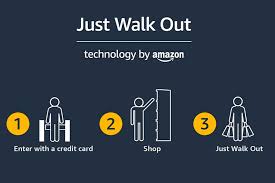
Amazon recently have implemented their “Just Walk Out” technology which uses IoT sensors, AI and cameras to track the items in a basket without having to line up at the checkouts. This improved customer experience will process the payment in real time matching the expectations of the modern consumer Jenkins, J (2024). As we have seen from Amazon, using IoT to optimize store operations and customer satisfaction can be a sign of a promising advanced future. This too shows that IoT can collect consumer insights that allow organisations like Amazon to personalize their approach to today’s marketing strategies.
The Internet of Things is no longer something we’re waiting for, it has arrived and already shaping how we live, work and make decisions. In this blog we’ve discussed how IoT and Big Data bring many opportunities, from improving healthcare to making agriculture more efficient. However it also came with concerns, and this digital advancement does not come without risks. Privacy concerns, cybersecurity threats and data mismanagement are all issues which need to be addressed. As we become more connected we must find a way to incorporate IoT and big data methods Ethically while exploring the challenges of this new digital era.
References:
Queensland Government (2022) Optus Data Breach Queensland Government
Yasar & Gillis (2024) What is IoT (Internet of Things) and how Does it Work? TechTarget
Jenkins, J (2024) Amazon’s Just Walk Out technology just got smarter, here’s what’s new, Aboutamazon.com
Sloat (2025) Farmers are using IoT to take the guesswork out of growing, Business Insider

 Kierens Blog
Leave a comment